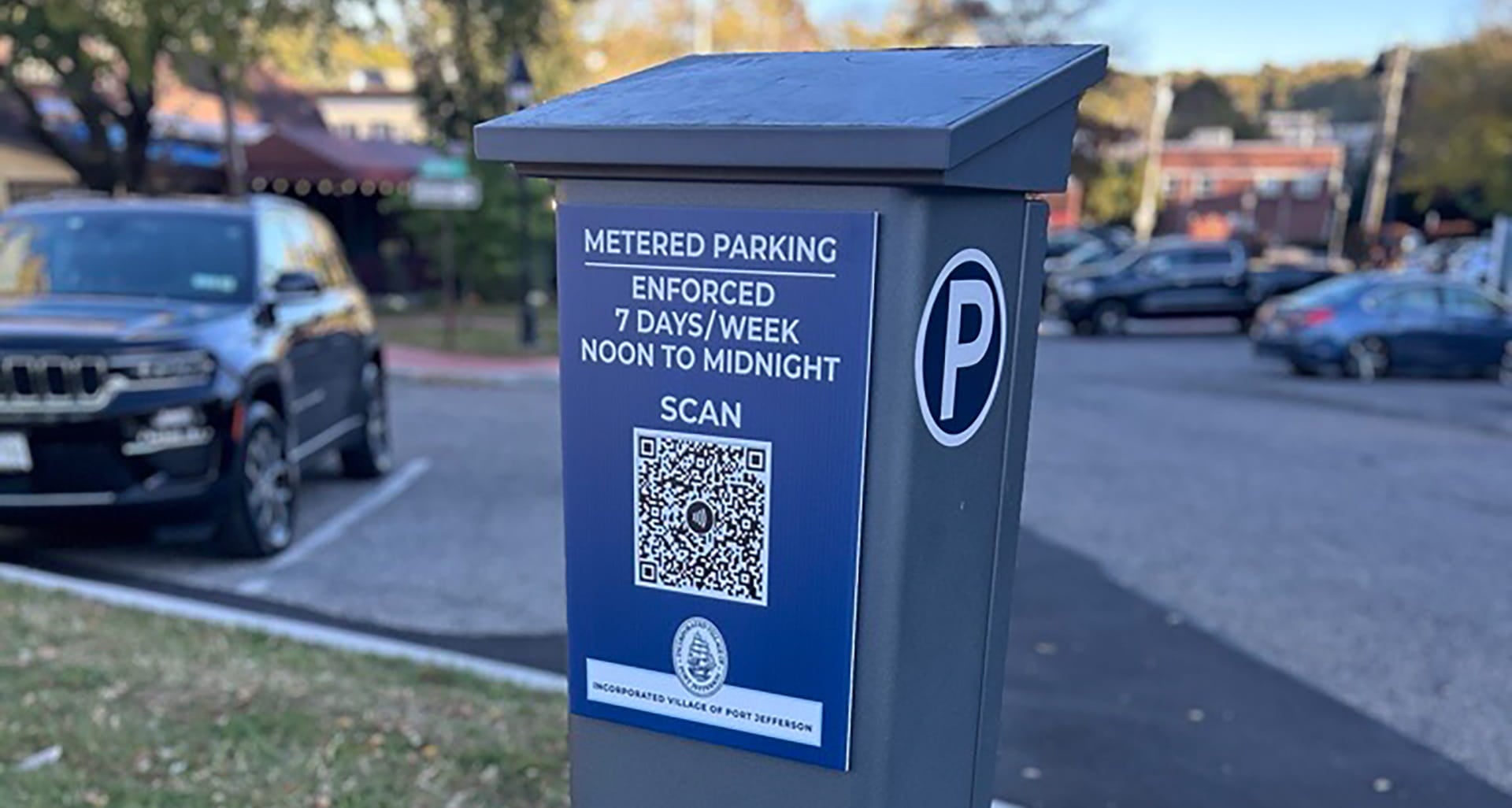
From scanning a print ad to paying for parking downtown, QR codes help people make the leap from the physical to the digital world. But what happens when evildoers use them to do…well, evil?
Earlier this year, Chain Store Age reported 71% of consumers view QR codes a useful part of their daily lives, citing a survey from a QR code platform Uniqode. No dispute here, as I’ve used QR codes to reserve seating at an event, and place an order for take out; and that’s just during this week.
So, if so many of us find QR codes useful, and incorporating them into how we engage with businesses and municipalities, the bag guys are surely taking note.
Why QR codes have become a cybersecurity risk
Consider the scenario of metered parking: You pull into a parking spot, and scan a QR code to launch the payment app or website. How do you know bad actors haven’t overlayed a replacement QR code?
It’s a safe bet to acknowledge that most smartphone users aren’t going to check parking signs to see if a sticker has been placed over the original QR code. This is even less likelyif, for example, the weather isn’t great.
That’s what threat actors are expecting: smartphone-toting consumers will quickly engage with the QR code for convenience. We have places to go and aren’t going to stand in the rain analysing the parking metre label. Many users will scan and unknowingly be brought to a web link that could introduce ransomware or other harmful content.
Malicious actors don’t just trick with the QR code. Attackers might steal credentials by impersonating the parking payment website, complete with multi-factor authentication or single sign-on faux security experiences. As I said earlier, they’re evil!
Mobile phishing, or “mishing,” continues to rise as a threat, with AI-assisted phishing detections on mobile devices up 380% since the beginning of 2025, according to Zimperium’s annual Global Mobile Threat Report for 2026. And QR code phishing (“quishing”) is counted under this mishing category.
How to Protect End Users and Data from Quishing
With so many of us using our personal devices for work due to BYOD policies, how do we keep our personal and our corporate data protected from such adversaries? Organisations should include a mobile threat defence solution as part their BYOD autonomous endpoint management solution.
Integrating Mobile Threat Defense gives IT and security teams the tools to block phishing and malicious sites at the time a QR code is scanned. It can block threats using secure threat intelligence or an on-device VPN, and enforce policy controls over DNS resolution, among several other threat prevention tactics.
Because at the end of the day, as consumers, all we want to do is be able to scan that QR code to buy that gear, order those tickets or pay for that parking spot, securely. With mobile threat defence deployed, you can help your end users do that safely, while keeping the bad guys out of their personal data and your corporate data.